What is Bitmain Container and How Does It Work?
The Bitmain Container is an innovative solution for cryptocurrency mining operations. Designed by Bitmain, it combines high-performance mining hardware with a portable and efficient design. This container facilitates the deployment of mining rigs in various locations, making it ideal for both large operations and smaller setups.
Understanding how the Bitmain Container works is essential for miners looking to optimize their operations. It offers a controlled environment, ensuring that the mining equipment runs efficiently and remains protected from harsh conditions. The design features advanced cooling systems to minimize overheating, a common issue in mining setups. Miners benefit from the container's scalability, allowing them to expand operations as needed.
However, the adoption of Bitmain Container is not without challenges. Proper installation requires knowledge and experience, and its initial cost can be a barrier for newcomers. Still, its potential benefits in terms of efficiency and flexibility make it an intriguing option for many. As the cryptocurrency landscape evolves, the Bitmain Container may play a crucial role in shaping future mining practices.
What is a Bitmain Container?
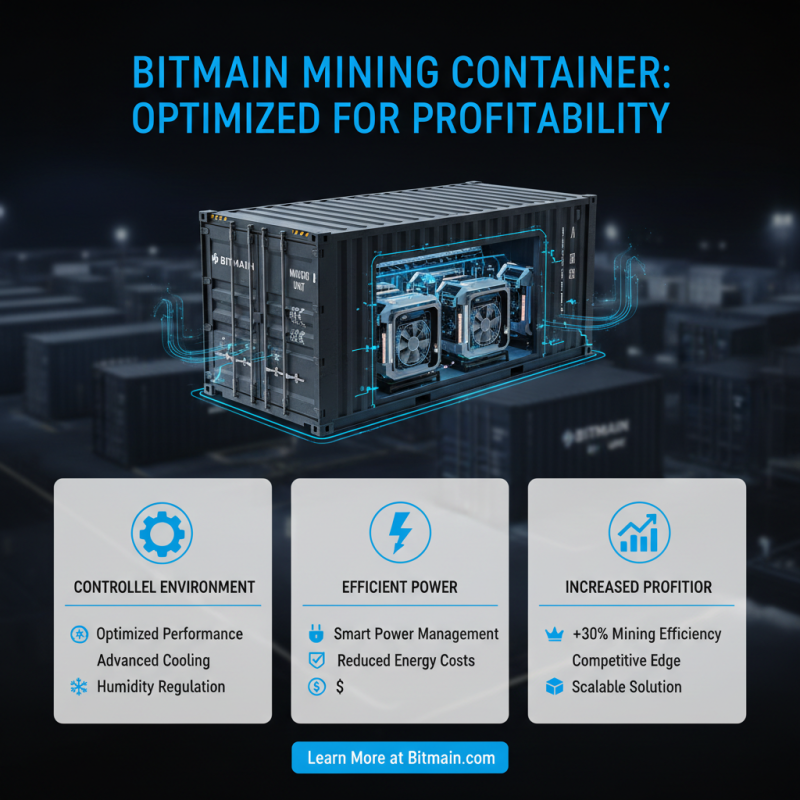
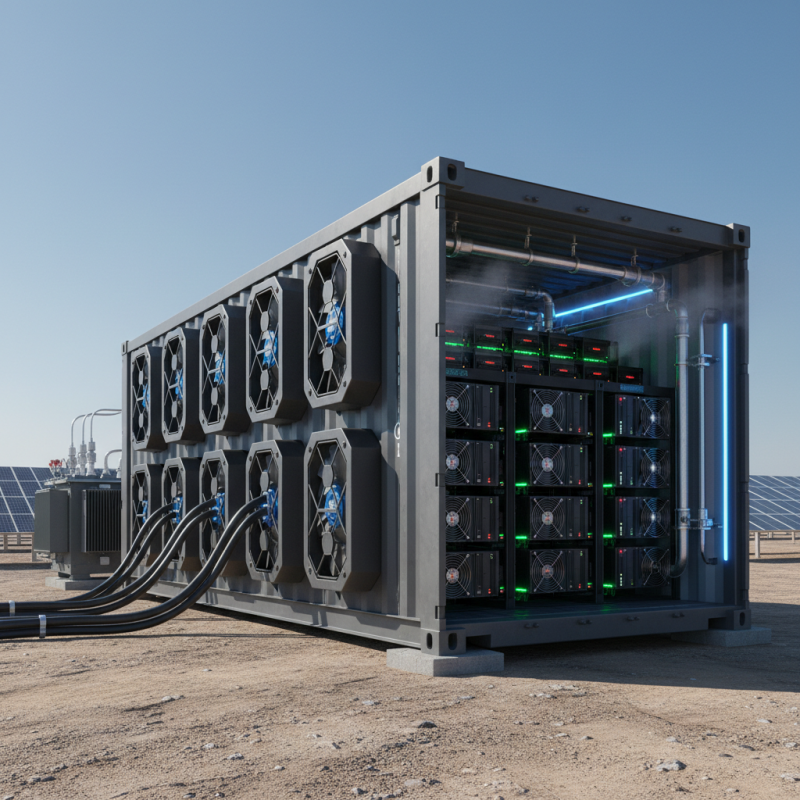
A Bitmain Container is a specialized housing solution designed for cryptocurrency mining equipment. These containers offer a controlled environment, optimizing the performance of mining rigs. Their design allows for efficient power management and cooling systems. With rising energy costs and competition in the mining industry, these features are crucial for profitability. Reports suggest that mining efficiency can increase by over 30% with optimal environmental controls.
Bitmain Containers are modular and can be deployed quickly. Each container typically houses multiple mining units, facilitating flexibility in scaling operations. They are also built to withstand adverse weather conditions, ensuring that equipment remains operational year-round. Furthermore, many mining operations are migrating towards containerized solutions due to their cost advantages. It has been noted that the initial setup cost can be recouped in less than a year with effective operations.
However, some challenges exist. The containers require significant power supply, which can strain local grids. Additionally, as regulatory scrutiny around cryptocurrency mining intensifies, operators must stay vigilant about compliance. This evolving landscape necessitates ongoing analysis and adjustments in strategy. The complexity of maintaining a profitable mining operation within these containers also demands expertise and careful planning.
Key Components of Bitmain Containers
Bitmain containers are innovative solutions for cryptocurrency mining operations. They are designed for efficiency and practicality. Each container houses mining rigs, essential for high-density environments. The temperature, humidity, and airflow are crucial for optimal performance. Inside, cooling systems play a vital role. These systems ensure the rigs operate without overheating.
A power supply unit (PSU) is essential for energy distribution. It provides stable voltage and prevents power surges. Good wiring is critical to maintain safe operations. Many containers feature isolation transformers for further protection. Security measures, such as surveillance cameras, are also common. This helps safeguard expensive equipment from theft.
Tips: Regular maintenance is necessary. Dust accumulation can affect cooling efficiency. Also, monitor energy consumption. Excessive usage may lead to increased costs. Stay updated on environmental regulations. Compliance can save you from fines or legal issues. Consider scalability when setting up. Growing your operation should be easy and efficient.
What is Bitmain Container and How Does It Work? - Key Components of Bitmain Containers
| Component |
Description |
Specifications |
Function |
| Container |
A portable unit housing mining equipment. |
Standard shipping container size. |
Facilitates easy transport and deployment. |
| Cooling System |
Air conditioning and ventilation components. |
Temperature control to optimize performance. |
Prevents overheating of mining hardware. |
| Power Supply |
Electrical components to power mining rigs. |
High-efficiency power units. |
Provides necessary voltage and current. |
| Network Connectivity |
Wired or wireless communication systems. |
Supports high-speed internet access. |
Enables real-time data transmission. |
| Monitoring System |
Sensors and software for performance tracking. |
Real-time data analytics capabilities. |
Ensures optimal operation and troubleshooting. |
How Bitmain Containers Enhance Mining Efficiency
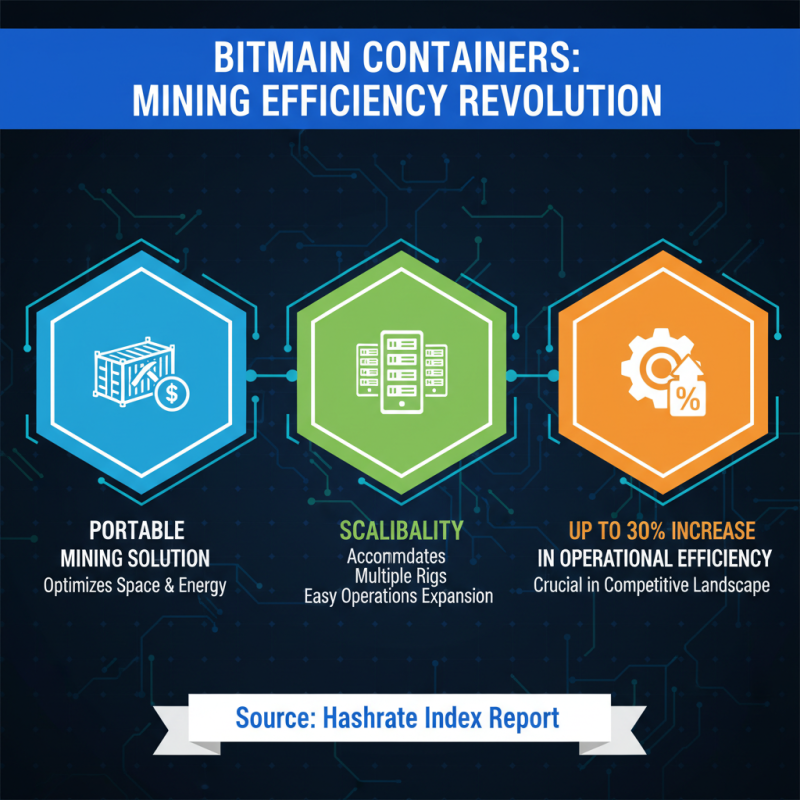
Bitmain containers are revolutionizing the cryptocurrency mining industry. They provide a portable solution for miners, optimizing space and energy use. These containers can accommodate multiple mining rigs, allowing miners to scale operations easily. According to a recent report by Hashrate Index, containerized mining solutions can increase operational efficiency by up to 30%. This efficiency is crucial as the mining landscape becomes more competitive.
Moreover, Bitmain containers enhance temperature regulation. They feature advanced cooling systems to ensure optimal performance. Keeping mining rigs at ideal temperatures can prolong their lifespan. A study by Cambridge Centre for Alternative Finance highlights that miners can save up to 20% in energy costs through effective cooling mechanisms. However, one must consider the initial investment. While these containers offer significant long-term benefits, the cost is a barrier for smaller operations.
Additionally, they provide flexibility in location. Miners can set up in areas with lower electricity costs or favorable regulations. However, finding suitable sites can be challenging. It requires careful analysis of local conditions and infrastructure. Containerized solutions appear promising, but they may not be a one-size-fits-all approach. Each miner must weigh the costs and benefits before making a decision.
The Operational Mechanism of Bitmain Containers
Bitmain Containers represent a significant innovation in cryptocurrency mining solutions. These robust units serve as mobile data centers, designed to house multiple mining machines. They streamline operations by providing a controlled environment for optimal performance. The containers are often insulated, equipped with cooling systems and power management tools. This aids in maximizing efficiency while minimizing operational costs.
The operational mechanism of Bitmain Containers hinges on their modular design. Each container can accommodate several mining rigs, connected to a centralized power source. This setup not only simplifies deployment but also enhances scalability. As mining demands fluctuate, adding or removing containers allows for flexible adaptation. The environmental control features also help maintain ideal temperatures, crucial for preventing overheating in mining equipment.
Tips: Regularly monitor the efficiency of your cooling systems. This can extend the lifespan of your equipment. Consider predictive maintenance; it can prevent costly downtimes. In this rapidly evolving space, staying informed about new technologies is crucial. Understanding the nuances of container management will aid in leveraging them effectively.
Performance of Cryptocurrency Mining in Containers
This chart illustrates the hashrate performance of cryptocurrency mining in containers from January to July. The data indicates a trend in hashrate fluctuations over the months, showing periods of increased mining efficiency.
Advantages and Challenges of Using Bitmain Containers
Bitmain containers are becoming popular for housing mining equipment. They offer a mobile and efficient solution for cryptocurrency miners. These containers can be easily transported to different locations. However, there are both advantages and challenges associated with their use.
One major advantage of using these containers is their scalability. Miners can expand their operations quickly by adding or relocating containers. This flexibility is crucial in a fast-paced market. Additionally, containers are designed for optimal cooling, ensuring the equipment runs efficiently. They provide a controlled environment, which can lead to increased performance and reduced downtime.
Despite these benefits, there are significant challenges. Installation costs can be high, especially in remote areas. There might be logistical issues regarding power supply and internet connectivity. Furthermore, local regulations can complicate the deployment of mining operations. Many users find navigating these regulations difficult. In some cases, operational efficiency can be affected by environmental factors, like extreme temperatures or humidity. These issues require careful planning and ongoing assessment to ensure success in mining ventures.