Crypto Mining Containers Tips for Efficient Setup and Cost Savings?
In the rapidly evolving world of cryptocurrency, "Crypto Mining Containers" have emerged as a vital solution for miners. Expert Paul Reinhardt, a leading figure in this industry, emphasizes, "Efficiency is key; every detail counts in crypto mining setups." As the demand for more efficient mining processes grows, these containers present diverse benefits.
The containers are designed for optimal cooling and power efficiency. This design helps reduce operational costs significantly. However, not all setups are created equal. Factors like insulation, airflow management, and reduced noise should be carefully considered. Each choice affects the overall performance.
Investing in "Crypto Mining Containers" requires an understanding of potential hurdles. Improper setup can lead to excessive heat or power wastage. Continuous monitoring is essential for long-term success. This industry space offers extensive opportunities, but careful planning is crucial to capitalize on them effectively.
Types of Crypto Mining Containers and Their Advantages
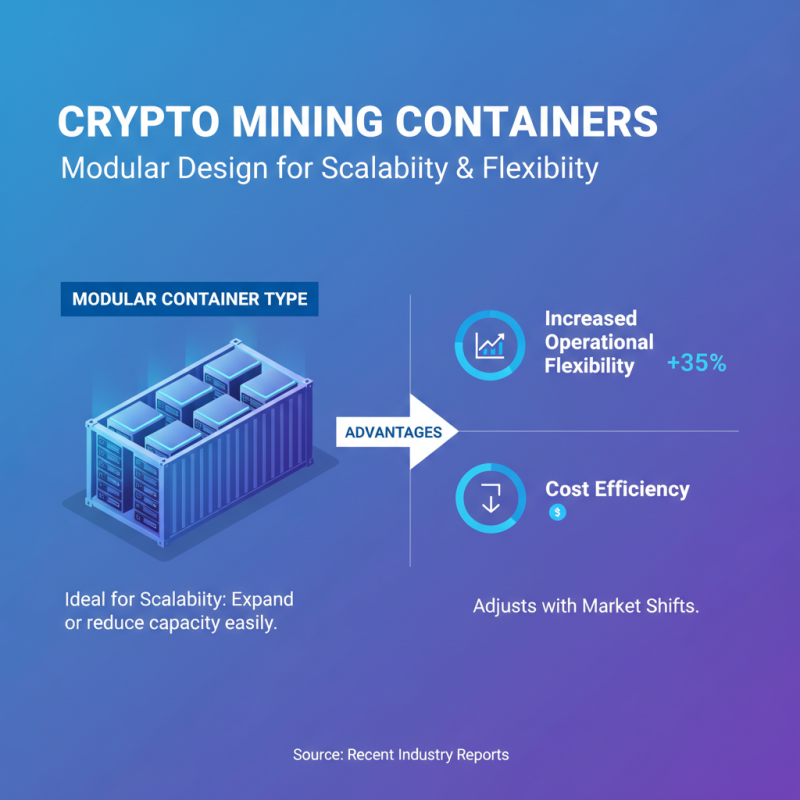
When considering crypto mining containers, various types offer distinct advantages. One popular design is the modular container, ideal for scalability. According to recent industry reports, modular systems can increase operational flexibility by up to 35%. This allows miners to adjust their capacity as market dynamics shift, optimizing cost efficiency.
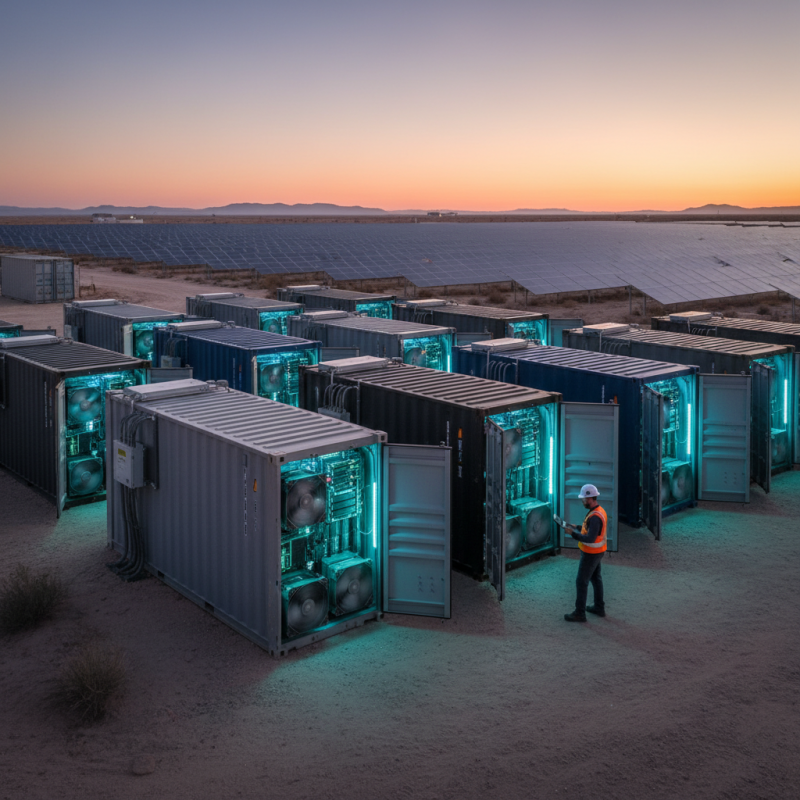
Another option is hybrid containers that integrate renewable energy sources. These setups can significantly reduce energy costs, which account for a substantial portion of mining expenses, often upwards of 60%. Utilizing solar panels or wind turbines can lead to a savings of 20-30% on electricity bills. However, transitioning to hybrid systems often requires significant initial investments and careful planning.
Cooling efficiency is also crucial. Containers equipped with advanced cooling technologies can maintain optimal temperatures, improving hardware lifespan. Studies show that effective cooling can boost mining performance by 15-20%. Still, these systems need constant monitoring and maintenance, presenting potential challenges for miners. Each type of mining container has its strengths and weaknesses, emphasizing the need for thorough evaluation before committing resources.
Key Considerations for Choosing the Right Mining Container
When selecting a mining container, consider size and capacity. A well-sized container optimizes space and energy efficiency. Assess the number of mining rigs you plan to accommodate. Ensure there is room for future expansion too. A common mistake is choosing too small a container, leading to overcrowding and heat issues.
Ventilation is crucial. Proper airflow helps maintain optimal temperatures. Look for containers with built-in cooling solutions or adaptability for external cooling systems. Inefficient airflow can result in hardware damage and performance drops. Also, consider insulation. A well-insulated container can save costs in extreme climates, yet not all materials offer the same thermal resistance.
Power supply is another key factor. Analyze your energy needs. A reliable, efficient power system ensures consistent operations. Some setups may need backup power to avoid losses. Additionally, keep in mind the container's mobility. A portable design allows for flexibility and easier relocation. However, mobility shouldn’t compromise stability and safety features.
Energy Consumption vs. Hash Rate in Crypto Mining Containers
Essential Equipment for Effective Crypto Mining Setup
Setting up an effective crypto mining operation involves careful consideration of equipment and environmental factors. Firstly, selecting the right hardware is crucial. The ASIC miners are preferred for their efficiency. According to a recent report, top-tier ASIC miners can yield over 100 TH/s at energy costs around $0.05 per kWh. However, it’s essential to assess the total cost of ownership, including cooling systems and electricity.
The mining environment greatly impacts performance. Ideally, mining containers should be insulated for temperature control. Reports indicate that optimal temperatures can increase performance by up to 25%. Furthermore, proper airflow is vital. Using high-efficiency fans can reduce energy consumption. Standard setups often overlook these aspects, resulting in higher operating costs.
Monitoring tools also enhance efficiency. Integrating software for real-time data analysis helps in adjusting operations. Yet, many miners fail to use these tools effectively. Regular assessments can identify inefficiencies. Adopting these practices can lead to substantial savings and improved yields over time.
Cost-Saving Strategies for Optimizing Mining Container Operations
Setting up crypto mining containers can be a cost-effective choice for miners. However, optimizing these operations requires careful planning and smart strategies. Reports indicate that mining efficiency can drop by up to 20% if proper cooling systems are not installed. Without efficient airflow, hardware can overheat, leading to increased electricity costs and shorter equipment lifespans.
To cut costs effectively, consider using renewable energy sources. Solar panels can significantly reduce electricity bills. Many miners have reportedly achieved savings of 30-50% by integrating solar energy into their setups. Memory usage in mining rigs also affects performance. Monitoring and adjusting it can yield better results without additional purchases.
Maintain regular maintenance on your mining containers. A clean, well-ventilated setup can make a huge difference. This requires a modest investment of time but pays off in terms of long-term costs. An overlooked area is monitoring software. Using reliable tracking tools can reveal inefficiencies in energy consumption. Investing in good data analytics could lead to smarter operational decisions. This approach might seem time-consuming but is essential for continuous improvement.
Best Practices for Maintenance and Troubleshooting in Mining Containers
When setting up crypto mining containers, maintenance is crucial. Ensure air circulation to avoid overheating. Regularly check the fans. Dust can accumulate quickly, hindering airflow. A dirty fan is less effective. This might lead to equipment failure. Schedule cleaning every few weeks for best results.
Monitoring software can help detect issues early. Look for fluctuations in temperature or hash rates. These indicators can signal potential problems. Responding quickly might prevent larger failures. It's vital to document any troubleshooting steps taken. This will aid future maintenance efforts. Keep a log to track patterns and recurring issues.
In addition, always review your power supply. Overloading circuits can lead to downtime. Invest in quality power strips and backup systems. Failing to do so can have costly consequences. The goal is to create a reliable mining environment. Balancing efficiency with proactive maintenance is an ongoing challenge. Testing different configurations may yield surprising results. Each setup is unique; there is no one-size-fits-all approach. Make adjustments based on performance and observations.
Crypto Mining Containers Tips for Efficient Setup and Cost Savings
| Aspect |
Recommendation |
Cost-Saving Measure |
| Power Supply |
Utilize high-efficiency power supplies. |
Choose wholesale energy contracts. |
| Cooling Solutions |
Implement proper ventilation and airflow. |
Use ambient cooling methods. |
| Location |
Choose a location with low humidity. |
Minimize transportation costs by local sourcing. |
| Maintenance |
Schedule regular equipment checks. |
Preventive maintenance to avoid costly repairs. |
| Miner Configuration |
Optimize miner settings for maximum efficiency. |
Adjust power consumption settings during off-peak hours. |